بعدا نوشت:
همین الان یه مقاله خیلی خیلی خوب در مورد تاریخچه لیشمانیا در ایران از قرن 19 ام به بعد رو دیدم.برای منی که رو لیشمانیا کار کردم مقاله بسیار بسیار جالبی بود.اولین باره در مورد بزرگان لیشمانیای ایران یک جا صحبت شده.مقاله خیلی خیلی خوبیه.با کلیک رو عنوان دانلود کنید.حتما:
A History of Leishmaniasis in Iran from 19th Century Onward
سلام
این آهنگ جدید شهرام شکوهی رو خوشم اومد.
خیلی وقت بود آهنگ قشنگی که به دلم بشینه ازش نشنیده بودم.
خوب من مجری دو تا طرح تو اداره مون هستم که در مورد عوامل انگلی موثر تو اسهال گوساله ها بحث می کنه.
امروز هم رفته بودم چند تا گاورداری اطراف کرج برای نمونه گیری.
عجب گاوداری بود.برای خودش شهری بود .
سر انگشتی فقط 20-30 میلیارد پول گاو ها بود.
خلاصه از گوساله های عزیز نمونه مدفوع گرفتم و خدا رو شکر 50 تایی نمونه جمع شد که نصفش اسهالی بود.
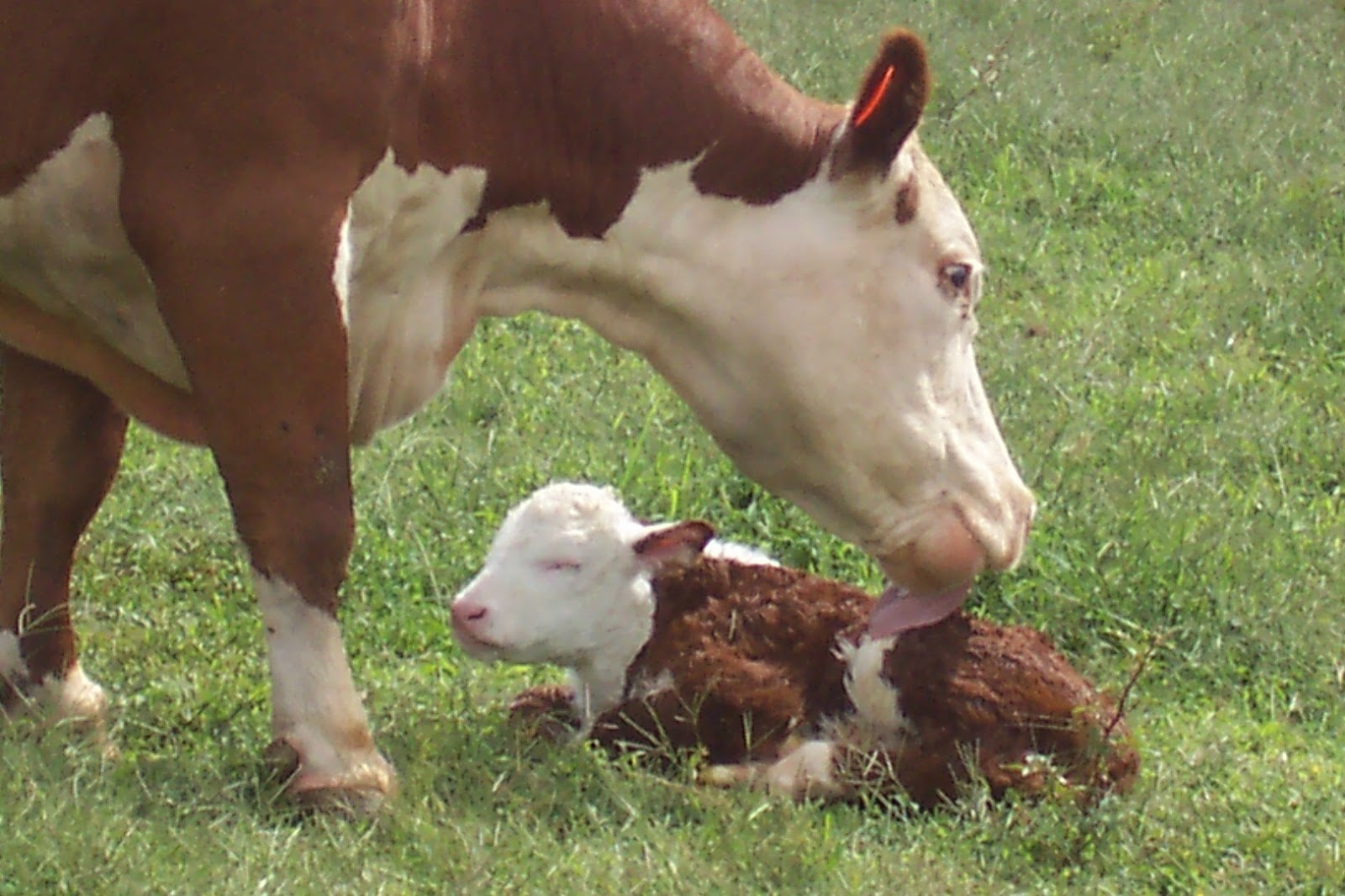
تو باربند گوساله ها می رفتم شروع به بازی با من می کردند .گوساله ای زیر یک هفته هم بود.یکی شون آرنجم رو گرفته بود تو دهنش و ادای شیر خوردن در می آورد.
خلاصه .تو پایین هم مطلب خوبی در مورد کوکسیدیوز تو گاو ها و اسهال ایجاد شده توسط اون ها که موضوع طرحمه گزاشتم.
راستی هفته بعد کل هفته از صبح تا شب دانشگاه تربیت مدرسم.برای کاری تحقیقاتی.درست از خود خود صبح شنبه تا آخر هفته و از صبح تا شبش تو آزمایشگاه ها هستم.بریم ببینیم دوستان چی کار می کنند.
جمعه خوبی داشته باشید.
تا بعد.
Coccidiosis
Submitted by rick

Coccidiosis is an infection of the small and large intestine caused by the protozoan parasites Eimeria zuernii and Eimeria bovis. Without any preventive program the parasites invade the mucosal lining of the small and large intestines.
Calves become infected by consuming the oocysts from fecal-contaminated pasture, feed, water, and bedding or by licking the hair of other contaminated calves. The parasite can remain viable for months in soil, water and vegetation, thriving in a moist, moderate, airy environment.
Symptoms/Etiology
Since the parasites invade and destroy the cells lining the digestive tract, there is a reduction in nutrient absorption which reduces gain and feed efficiency. The “scar tissue” left after an episode of coccidiosis may linger for months or years resulting in poor performance for the lifetime of the animal. In severe cases, calves become dehydrated which often leads to death. To prevent any damage to the digestive tract a producer should have an effective and continuous coccidiosis control program in place any time young calves are put in a stressful situation.
Signs of the disease that will be observed by the cattleman include: diarrhea (watery to sometimes bloody), dark fecal soiling on the tail and rear quarters, dehydration, gauntness due to reduced feed intake, weakness and depression. Often blood spots will be observed in the fecal samples by an observant cattleman before the other symptoms are present.
A definitive diagnosis is difficult and time consuming and most experienced cattlemen act immediately to introduce a preventive or treatment program, depending on the observed occurrences of blood in fecal material and/or dark fecal soiling around the tail of any calves in the pen.
Young calves are most vulnerable to the disease. Most any change in management such as weaning or moving calves will significantly increase the risk of coccidiosis.
Astute cattlemen will investigate the various options for preventing coccidiosis and have a routine program for young calves. Absent of a preventive program, some producers may not see a clinical outbreak but should realize that sub clinical coccidiosis will reduce gain and lower feed efficiency and reduce the immunity of the calf to other diseases such as BRD (bovine respiratory disease).
Prevention
Adult cattle are rarely affected by coccidiosis, but they pass the parasite eggs, called oocysts, in their manure. They serve as a source of infection for calves who have not yet gained enough immunity to fight off this protozoan parasite. Calves can become ill if they pick up large numbers of oocysts.
The best defense against coccidiosis is preventing situations in which contamination builds up to infective levels. Stress allows the parasite to divide more rapidly and go through more life cycles in the gut. If a calf's immune system is hindered by stress, the number of cycles is greater before he can begin to resist the parasite, creating more damage to the gut lining.
Death rates can be high in calves suddenly introduced to a high level of infection, as when warm wet weather "wakes up" oocysts in old manure around feeding areas. The incubation period from the time the calf ingests oocysts until breaking out with diarrhea is 16 days or longer. By day 18 or 19, the calf has diarrhea and there may be blood in the feces, and by day 21 there are oocysts in the manure.
If calves don't become reinfected the disease runs its course; the big problem is reinfection in a contaminated environment. Then there are parasites at several stages within that calf until the process goes on long enough that his immune system begins to build resistance. The calf may also have extensive gut damage that takes a long time to heal. If he loses a lot of blood he's anemic and weak. Supportive treatment fluids by stomach tube or I.V. may be needed. Mild cases may have diarrhea but no blood in the manure.
Feeding hay provides ideal conditions for coccidiosis in baby calves if cattle are grouped in feeding areas, such as when fed round bales. Ranchers should manage cattle in ways that help prevent contamination of pastures, and minimize stress on calves. It helps to keep group size small.
Best prevention is having cattle spread out on good pasture or to keep changing the feed area. Then oocysts passed in manure are widely scattered over a large area; calves don't pick up enough to cause massive infection. They encounter the parasite and begin to build immunity, but don't get enough to develop the disease.
If the same feeding areas are reused during wet weather, you are feeding on contaminated ground. The cows are continually passing a few oocysts, which stay dormant in manure for a while if weather is cold. When it warms up, the oocysts become infective. Calves who lie on manure and then lick themselves, or suck a dirty udder, are exposed to high levels of infection. Move cattle to new ground when possible, getting them away from areas of concentrated manure, or continually move the bale feeders.
If coccidiosis shows up in calves, get them away from the source. Move the cattle, feed in a different area, or put them in a fresh pasture. Use of small pens often leads to manure buildup and infective conditions.
Cows pass a small number of oocysts, but if a young animal is sick it spreads thousands. It is always better to try to prevent coccidiosis than to treat it after calves get sick. Several drugs are effective against coccidiosis if given before symptoms appear, and less effective after a calf is already sick; supportive treatment may be necessary to save him. Your vet can recommend a treatment program. In a group of confined calves, all the calves should be treated, even if they are not all sick.
Treatment
Once an accurate diagnosis is made there are a number of drugs useful in treatment or prevention. Some of the drugs that can be used for treatment include:
• Amprolium Corid 10 mg/kg daily for 5 days
• Sulfaquinoxaline 2.72 mg/kg daily for 3-5 days
• Sulfamethazine 110 mg/kg daily for 5 days
Some of these drugs and dosages may require a veterinarian's prescription and extended withdrawal time, be sure to check with your veterinarian before treating animals.
Drugs can be very useful in helping to prevent coccidiosis and some of these are listed below:
• Lasalocid or Bovatec 1 mg/kg per day, maximum 360 mg/day
• Decoquinate or Deccox 22.7 mg/100 lb. daily for 28 days
• Monensin or Rumensin 100 to 360 mg/head per day
Both lasalocid and monensin are polyether ionophores which are used to increase feed efficiency and weight gains; however, they also have effectiveness toprevent (not treat) coccidiosis. Monensin has a lower threshold for toxicity and cattle must be gradually introduced to it in their diet to prevent diarrhea, feed refusal, or toxicity.
Drugs useful for treatment are not necessarily useful for prevention and vice versa. Drugs administered in feed or water may not be consumed by sick animals, so the owner must be aware of this in treating ill cattle.
References:
(PDF) Control of cryptosporidiosis in neonatal calves: use of halofuginone lactate in two different calf rearing systems. Click the link to access the full PDF: http://snipurl.com/25xz69
(PDF) Coccidiosis and The Three Week Old Calf. Click the link to access the full PDF: http://snipurl.com/25xzll
(PDF) Control of cryptosporidiosis in neonatal calves: use of halofuginone lactate in two different calf rearing systems. Click the link to access the full PDF:http://72.52.245.24/library/article/control-cryptosporidiosis-neonatal-calves-use-halofuginone-lactate-two-different-calf

Quantitative Risk Assessment for Zoonotic Transmission of Cryptosporidium parvum Infection Attributable to Recreational Use of Farmland
Cryptosporidiosis caused by Cryptosporidium parvum infection is a major cause of enteric illness in man and there is a significant reservoir in animals, particularly young ruminant species. To preliminary assess the magnitude of the risk posed by contact with faeces produced by infected livestock, two microbiological risk assessments have been developed: one for the risk of human infection with C. parvum while camping on contaminated land recently grazed by infected suckler cattle and a comparable risk assessment for camping on land recently spread with contaminated cattle slurry. Using a worst-case scenario approach, the upper level of risk was estimated to be one infection in every 6211 person-visits for a camping event on land recently grazed by infected cattle. Translated into camping events of 100 persons, this risk estimate would most likely lead to zero (98% likelihood) or one infection (1% likelihood). The results for cattle slurry model are similar despite different pathways. Sensitivity analysis was conducted for the grazing cattle model only. This suggested that the time between grazing and camping was the most important control strategy, but increasing hand-washing frequency and the removal of cattle faeces before camping would also be beneficial. If the upper level of risk were to be judged unacceptable then further data would be required to more accurately estimate the risk of infection through these scenarios. Further research would also be required to assess the fraction of cases attributable to camping and/or environmental contact with Cryptosporidium oocysts.
Hill, A., Nally, P., Chalmers, R. M., Pritchard, G. C. and Giles, M. (2011), ORIGINAL ARTICLE: Quantitative Risk Assessment for Zoonotic Transmission of Cryptosporidium parvum Infection Attributable to Recreational Use of Farmland. Zoonoses and Public Health, 58: no. doi: 10.1111/j.1863-2378.2010.01350.
Coccidiosis in Beef Calves
B. Joe Dedrickson, DVM, Ph.D.
Alpharma Animal Health Division
Fort Lee, NJ 07024
Coccidiosis is one of the most economically important parasitic diseases of beef cattle, costing the cattle industry in the United States several hundred million dollars annually. Bovine coccidiosis is considered to be one of the top five most important diseases in the U.S. cattle industry.
Coccidiosis is a ‘Stress Induced’ parasitic disease associated with bloody diarrhea, poor growth and body condition and sometimes death. Clinical signs of coccidiosis occur most frequently in young animals, but may also occur in adult animals. Compared to clinical coccidiosis, inapparent or ‘Subclinical’ coccidiosis is more important and may account for over 95% of all the losses associated with coccidiosis.
All cattle in the United States are infected to some degree by coccidia. Coccidiosis is caused by an intracellular protozoan parasite that grows in the cells that line the intestines. Once calves reach 6 months of age, they have a 100 percent infection rate even though 5% or less show clinical signs. While 95% of all losses due to coccidiosis are subclinical.
Life Cycle of the Parasite
Coccidia oocyst (eggs) are ingested by susceptible animals when they consume contaminated feed or water, graze contaminated pasture or lick a dirty hair coat. The oocysts release sporozoites (larvae) that multiply asexually in the cells lining the wall of the small intestine and releasing thousands of merozoites (2nd generation larvae). The merozoites then enter the large intestine and go through a sexual reproductive cycle to produce thousands of oocyst. These oocyst pass out with the manure to further contaminate soil, feed, water, bedding, etc. and begin the cycle again.
Each oocyst contains eight sporozoites. Each sporozoite enters multiple cells in the lining of the small intestine and destroys the cell as it forms a schizont (packet) of merozoites. When it ruptures, it releases more than 100,000 new merozoites and it has been estimated that ingestion of only 125 sporulated oocysts will subsequently cause damage to more than 6 billion intestinal cells. This interferes with digestion and absorption of nutrients. About 71% of the life cycle occurs in the small intestine. Rarely do you see any clinical signs during this time in the small intestine. When they go to the large intestine around day 16 and the oocyst breaks out of the cell following the sexual reproduction around day 18, it causes diarrhea and blood in the feces from the damaged gut lining. Oocysts can be detected in the manure around 21 days.
Oocysts passed in manure need moisture and mild temperatures to sporulate. High temperatures and dryness impede sporulation. They can survive freezing (down to about 18 degrees F) for a couple of months, but temperatures below minus 22 degrees F will usually kill them. In both cases the manure or straw pack may give them the protection to survive even the harshest environmental conditions.
The Disease
Coccidiosis can cause diarrhea and weight loss, as well as, immuno-suppression. This immuno-suppression can make calves more susceptible to other diseases. For instance, research at Ohio State University has shown that whenever coccidiosis and corona virus are both present, the diseases are much more severe than if alone. It is also common to see an increase in respiratory infections when coccidiosis is a problem. Coccidiosis costs cattle feeders more than $400 million annually in lost profits due to reduced feed efficiency, slower weight gain, and increased susceptibility to other diseases. This can set back calves’ growth by as much as two months. A 1990 feedlot study ranked coccidiosis as the third most important feedlot problem with respiratory/pneumonia problems being number one.
Symptoms
The rupture of cell lining the intestine during the coccidia’s multiplication results in diarrhea, especially bloody diarrhea. A mild fever may occur in early stages, but in most cases the temperature is normal or subnormal. The first sign of illness is usually the sudden onset of severe diarrhea, with watery feces containing blood or mucus. The blood may be dark and tarry, or appear as streaks or clots, or the feces may consist almost entirely of large fresh clots.
Calves’ rear ends, hind legs and tail bases are usually covered with loose feces. Watery manure containing blood or mucus can often be found on the ground. The loose, bloody manure contains millions of oocysts, which remain on the ground to infect other calves. In later stages of the disease, after the coccidia have quit multiplying, the feces firms up again.
A common sign of coccidiosis is calves straining excessively to pass a bowel movement. This is due to irritation of the large intestine and rectum. Calves may strain even after passing the watery feces or without passing anything. In severe cases, the rectum may prolapse from all the straining. If calves lose a large amount of blood, they’ll become anemic. Mucus membranes will be pale (gums will look white or blue instead of pink). And calves may be weak and uncoordinated. Most affected calves have a poor appetite. The disease runs its course in five to six days, but some animals take a long time to fully recover.
Disease Summary
Coccidiosis is a stress induced parasitic disease in which 5% or less of a cattlemen’s loss is due to clinical signs. The most common stressors are the things we must do to raise calves efficiently. Such as weaning, processing, putting in large groups, changing rations, shipping, with the most common stress being ‘Weather changes’. To manage coccidiosis we must focus on these common stress periods.
Management for Calves
Young calves are the most susceptible to coccidiosis. From birth to 6 months, the immune system is immature and coccidia do not stimulate good protection. They are especially vulnerable to coccidiosis if they are exposed to cow manure buildup during wet, warm weather in late winter or early spring.
Ranches with no winter grazing, where hay is fed from November through March, may provide ideal conditions for coccidiosis in calves if the cattle are grouped in feeding areas. Many cattle raisers use round bales and the cattle congregate around them.
To help prevent coccidiosis it is important to keep the cattle spread out on clean pasture, or keep changing the feeding area. By doing so the oocysts passed in manure are widely scattered over a larger area and calves don’t pick up enough to cause massive infection, but unfortunately, this alone will not prevent coccidiosis.
The picture changes when ranchers begin feeding hay. Ranchers may have their cows and calves in a 500-acre pasture but use only a few acres as a feeding area. During a wet spring, ranchers have to reuse the same spots for putting out their round bales, square bales or range cubes. Thus feeding on highly contaminated ground. It gets to be like a feedlot area.
Cows are continually passing a few oocysts, which may stay dormant in the manure for a while if the weather is cold. Then it warms up, and oocysts in the built-up manure become infective. Calves, who lie on the manure and then lick themselves, or suck a dirty udder, are exposed to high levels of oocyst.
It is important to move the cowherd to new ground in the spring. Get the cattle away from the areas of concentrated manure. Sunlight and heat (dryness) tend to damage the oocysts and the contamination is reduced during the hot summer. During the wet times of year, keep cattle on clean ground.
October and November can be risky times also. Many pastures are pretty well gone by then, and ranches are starting to feed hay. It’s usually not cold yet and the oocysts again have suitable conditions to cause infection whenever manure accumulates.
A fall calving herd won’t have a long period of contamination because the dry summer has kept the manure from being so infective, and the wet season may be short before weather turns cold. But calves born in the fall may still develop coccidiosis when conditions are right. Calves are most susceptible. They are starting to eat hay (contaminated feed) and they have very little natural immunity.
Management for Older Calves and Weanlings
Coccidiosis can sometimes be a problem in weaning pens or in stockers on winter grazing, especially if pens are crowded, pasture overstocked or hay is being fed. Changing weather and stress of bad weather may hinder calves’ immune system. If ranches can hold those calves 45 to 60 days on an anticoccidial medication and carry them through the stress period of vaccinating, worming, implanting, second dose of vaccine, etc. they won’t see any clinical coccidiosis. Coccidiosis is very stress related, and ranches are most apt to see an outbreak when those calves are weaned and processed or experience changeable weather.
The first 30 days after weaning are very stressful, as evidenced by lower feed consumption. Dr. David D. Hutcheson, a professor at Texas A & M University’s Agricultural Extension Center at Amarillo, conducted feed consumption studies which showed that calves coming into feedlots only consume 0.5 percent to 1.5 percent of their body weight (dry matter intake) the first week, 1.5 percent to 2.5 percent the second week, and 2.5 percent to 3.5 percent in the next two weeks, taking almost four weeks to come up to full feed. This is the time they need maximum protection from coccidiosis with some type of medication treatment in the feed or water.
Treatment and Prevention
Coccidiosis as a disease may run its course and subside, without treatment. Symptoms usually disappear after the multiplication stage of the parasite has passed, by this time you’ve already taken a significant performance loss. Several medications are effective against coccidiosis if given early in the course of the disease, before symptoms appear.
However, by the time diagnosis can be made, the critical stage is past because the protozoa has gone through its life cycle and treatment is not effective. It is too late to halt the infection, but it is necessary to prevent later outbreaks. Supportive treatment may still be necessary to save calves, to prevent dehydration and to ward off possible secondary diseases that may result from weakened condition.
There is also misunderstanding about how to treat the disease. The clinical signs subside when the multiplication stage of the protozoa is past. Many treatments have been credited with causing "recovery" and are recommended without taking this factor into account. Medications commonly used for treatment have very little effect on the late stages of the coccidia. The only effective treatment for the already sick animal is supportive therapy (fluids) and antibiotics to ward off secondary infections.
The most effective coccidiosis program is preventive treatment before clinical signs appear, but unfortunately may producers don’t understand the labels on the four products that are available. They are; amprolium (Amprol or Corid), lasalocid (Bovatec), monensin (Rumensin) and decoquinate (Deccox). Many producers assume that ‘Prevention’ and ‘Control’ mean the same thing, but that is not the case. If a product has a control label, it will only reduce the severity of a coccidiosis out break. If a product has a prevention label, it will stop clinical signs from occurring. As you review the table below you will see that Amprolium and Decoquinate have a prevention label, lasalocid has only a control label and monensin has both a prevention and control label. What this means is lasalocid will not stop calves from breaking with clinical signs at the highest legal level of 1mg/kg of body weight or 45 mg per 100 lbs. You would have to feed a 500-lb. calf 225-mg per day, just to reduce the severity of an outbreak. If you used monensin on a 500-lb. calf, you would need a minimum of 270 mg per head per day to prevent any clinical signs from appearing. If you use less than that you will only control the severity of the coccidiosis outbreak, as with lasalocid. While amprolium and decoquinate will prevent coccidiosis outbreaks at their label dosage. If you understand the label you can very effectively prevent coccidiosis with the four products available. This is summarized in the chart below.
Anticoccidial Products
|
PRODUCT |
PREVENTION |
CONTROL |
TREATMENT |
| AMPROLIUM (CORID) | aids in (5mg/kg) | aids in (10mg/kg) | |
| DECOQUINATE (DECCOX) | 0.5mg/kg | ||
| LASALOCID (BOVATEC) | 1mg/kg | ||
| MONENSIN (RUMENSIN) | 1.2mg/kg | 0.4 & 0.8mg/kg |
These products have varying levels of anticoccidial activity at their label doses. A good coccidiostat can break the life cycle of parasites so they can’t reproduce and spread infection, stopping them before they multiply and create massive gut damage.
Summary
Coccidiosis is a ‘Stress Induced’ parasitic disease that causes hundreds of millions of dollars in losses annually in the United States. 95% of all losses are due to subclinical disease, while only 5% of all loses are due to the clinical disease - ‘Bloody Diarrhea’. You can never eliminate coccidia from cattle; you can only manage its effect on your herd. There are four good anticoccidial products available on the market for cattle. None of them have any residual activity; therefore they are only working when you have them in the feed. Good coccidiosis management is ‘Continuous Prevention’ with good management procedures and a good anticoccidial-feeding program during periods of stress.
NEONATAL CALF DIARRHEA

Neonatal calf diarrhea, also known as calf scours, are caused by viruses, bacteria and parasites. It can prove to be deadly for young calves as they experience a loss of water and electrolytes through the gut and quickly dehydrate. The National Dairy Heifer Evaluation Project sponsored by The National Animal Health Monitoring System (NAHMS) in the United States reports that diarrhea accounted for 52.2 per cent of mortalities in pre–weaned calves.
It is a common experience for producers: a calf is born that seems to be healthy and strong, and develops scours within the first five days. Many producers think that they probably overfed the calf with milk or milk replacer – this is a common misunderstanding. Calves do not scour because of overfeeding, but because they have been exposed to an infectious organism.
Where did the calf get exposed? If a calf becomes sick in the first five days, infection most likely happened in the maternity pen. If calves become sick once they’re more than seven days old, they were likely exposed to infection in their own environment, the calf pen.
If you are picking calves up directly from a dairy farm, ensure the source farms have clean, well–bedded calving areas.
| Most Common Infectious Organisms and the Age of Diarrhea | |
| Organism | Age of Diarrhea |
|---|---|
| E. Coli | First 3 days |
| Salmonella | Day 5 – 14 |
| Corona Virus | Day 3 – 7 |
| Rotavirus | Day 3 – 7 |
| Eimeria spp. (coccodiosis) | Day 7 – 4 to 6 months |
| Cryptosporidium parvum (parasite) | Day 5 – 7 |
| Giardia spp. (protozoa) | Day 14 – 21 |
|
Most Common Non–Infectious Organisms |
|
| Under–feeding | Over–feeding |
| Selenium deficiency | Antibiotic treatment |
| Other oral treatments | Unknown causes |
| Source: Dairy and Veal Healthy Calf Conference, 2007 | |
Scours can be the biggest problem on a farm, and early detection is the answer to beating any of these organisms. Treatment is mainly supportive, as some illnesses do not respond to medications, so the best you can do for sick calves is keep them comfortable and hydrated. Consult your veterinarian regarding the use of antibiotics.
You must not miss any milk feedings. If the calf does not want to drink, you must keep frequently offering small feedings as the calf will die without the energy it gets from milk or milk replacer, especially if it is housed in a cold location.
In addition to milk or milk replacer, it is important to offer the calf two to four litres a day of an oral electrolyte solution. This can be fed one hour after milk or milk replacer but not in combination with it as the calf is dehydrated and needs all the fluid it can get. There is also a risk combining milk replacer and electrolytes, as it can create a dangerously high sodium concentration. Calves off milk or milk replacer longer than 48 hours can become lactose intolerant as the cells producing lactase are lost.
Source: Dr. Roger Thomson, Wyeth Animal Health 2007.
To help to identify the signs of scours, Dr. Sheila McGuirk of the University of Wisconsin has put together Calf Health Scoring Criteria. This is an excellent resource to help score calves on sickness and to have visual aids on what you are looking for: